
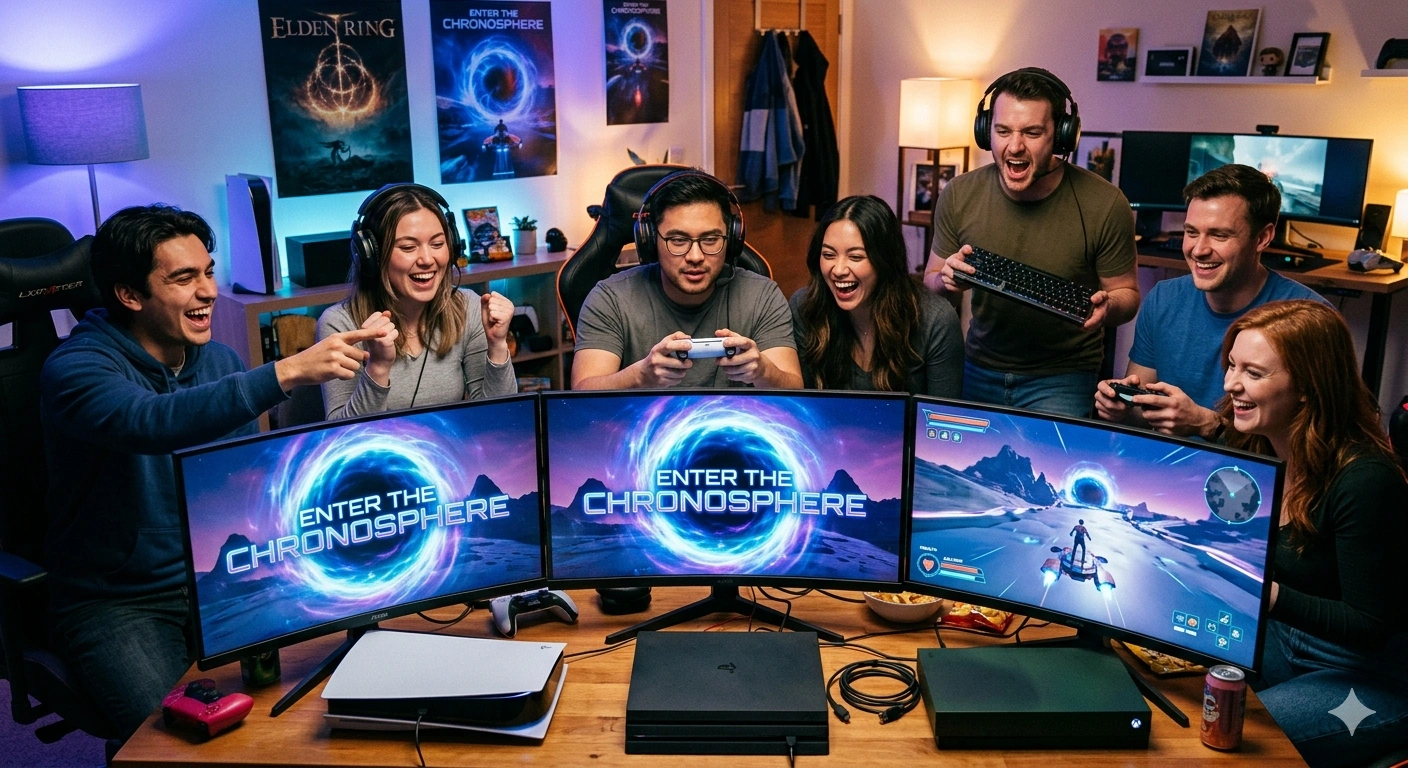
Image credit — AI image by gemini
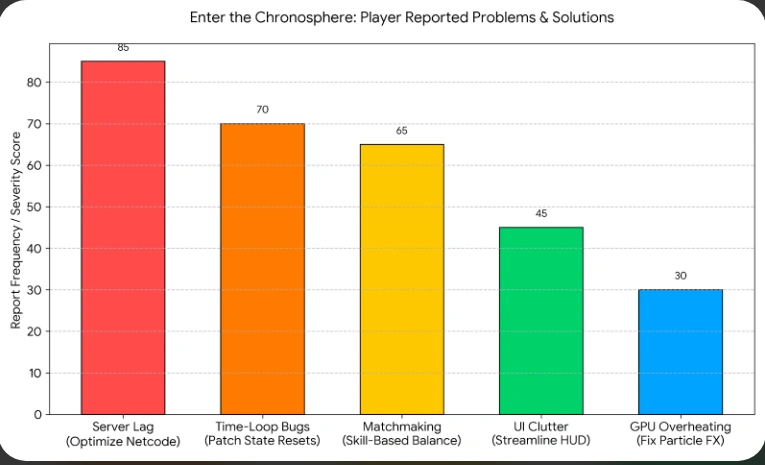
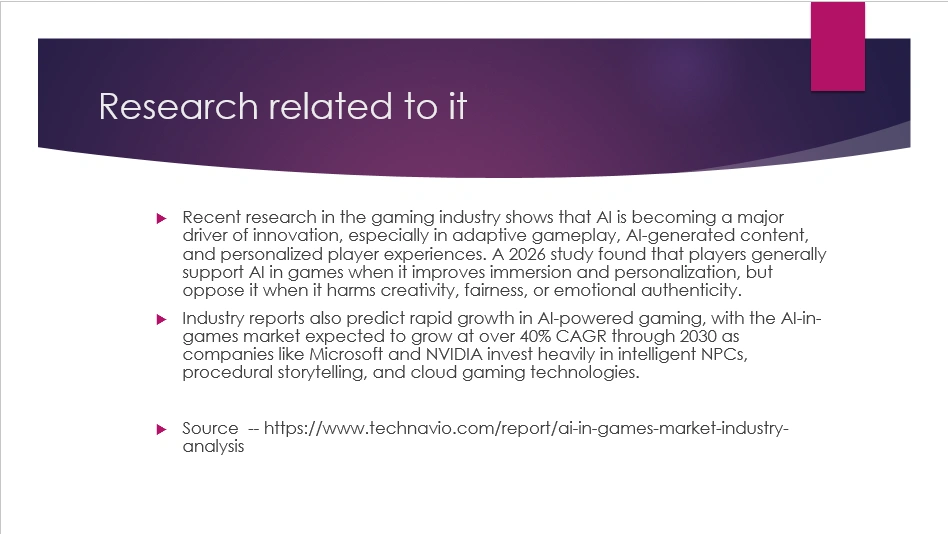
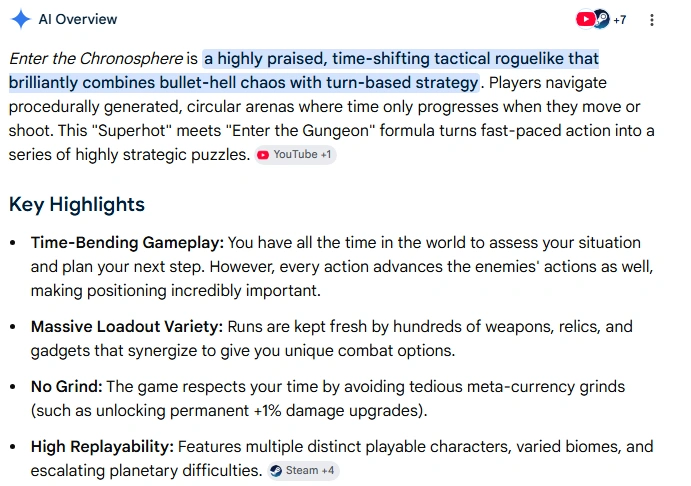
Image credit and data from gemini.
I was stunned when I found this..
I was looking at the social media platform linkedin yesterday. One thing that stuck me was how fast the things are changing.
Every day new things, new tools, new events, new buzz arrive on the surface of the internet.
And the other things which dazzled me was how fast things and situations are now creating impact in our life.
This made me thought about how the sports car are checked for maintenance and repair before the race commences.
It literally takes about three sec for the whole process.
Full accuracy . Full precision.
Now, why I highlighted this here.
The internet in 2026 moves fast. Every week there seems to be a new AI platform, immersive simulation tool, virtual experience, or futuristic project claiming to “change everything.”
Most of them disappear within days.
That is exactly why I initially did not pay attention Enter the Chronosphere when I first saw people discussing it online.
At first, I assumed it was another overhyped sci-fi themed digital experience designed mainly for marketing buzz.
But after repeatedly seeing creators, gamers, AI enthusiasts, and even productivity communities talking about it, my curiosity slowly started growing.
The discussions were unusually intense. Some users described it as “the most immersive experience of 2026,” while others claimed it felt confusing, overwhelming, and even exhausting during the first few sessions.
That contrast is what convinced me to test it myself.
I wanted to know whether Enter the Chronosphere was genuinely innovative or simply another internet trend fueled by excitement and exaggerated claims.
So I spent several days exploring it deeply, testing every feature I could access, documenting problems, and evaluating whether it truly delivers something unique.
This article is my complete personal experience — what attracted me to it, how I started, the challenges I faced, what impressed me, what disappointed me, and whether I think it is actually worth trying in 2026.
A complete review on Enter the chronosphere video game.
How I Discovered Enter the Chronosphere
I first found the Enter the Chronosphere through a morning scroll discussion thread while researching upcoming immersive digital experiences.
The conversation was fascinating because users were not simply talking about graphics or gameplay.
Instead, they were discussing emotions, altered perception of time, narrative immersion, and adaptive AI-driven environments.
That immediately caught my attention.
Most online experiences today focus heavily on speed, rewards, and short attention spans. But Enter the Chronosphere seemed different.
People described it as something that required patience and exploration. Some even claimed it changed how they approached creativity and problem-solving afterward.
Naturally, I became skeptical.
Whenever a product gains that level of hype, expectations become unrealistic. Still, the concept sounded ambitious enough to deserve proper testing.
After reading multiple community opinions and watching early demonstrations, I decided to spend an day testing and researching everything about the platform myself instead of relying on reviews or social media clips.
What Made Me Want to Test It
I was not having that much time to know more about it.
Seriously.
But the way it was being on forms, I made up my mind to at least know what’s new in it.
Or it was just a another hype.
Three major things convinced me to try it seriously:
- Time manipulation Concept
During my early findings I found that the idea behind Enter the Chronosphere revolves around layered timelines, adaptive environments, and time-reactive interactions.
Unlike standard digital experiences where actions feel predictable, this system promised environments that evolve depending on decisions, pacing, and exploration style.
Generally, you know what to do next thing in the game. It is very certain.
But here every move was uncertain and you have to take decision accordingly.
That sounded genuinely interesting.
I wanted to see whether the “chronosphere” concept was merely visual storytelling or if it actually affected the experience meaningfully.
2. AI Driven Adaptation System
Another feature heavily discussed online was the adaptive AI behavior system. According to early users, the platform adjusts scenes, responses, and challenges depending on how a person interacts with the environment.
As someone interested in AI evolution trends, I was curious whether this adaptation was real or just marketing language.
3. The massive hype
Whenever a project suddenly gains momentum worldwide, there is usually one of two outcomes:
- It becomes a revolutionary breakout success.
- Or it fades rapidly after initial excitement.
I wanted to understand where Enter the Chronosphere truly belonged.
My First Impressions
Image credit — — Official source
The very first thing I could guess was the platform atmosphere.
See, the success of the game depends hugely on how it is being set up.
Ambient music. Amazing workflow. Catching sound effects.
These all add up to expereince.
It did not feel rushed.
Unlike many modern digital experiences filled with aggressive menus, advertisements, flashing notifications, and endless distractions, Enter the Chronosphere felt strangely calm and mysterious.
The interface was minimal yet cinematic.
The sound design immediately stood out.
Background audio shifted subtly depending on movement and interaction. Certain environments felt almost dream-like. Instead of overwhelming the user with tutorials, the system encouraged exploration and experimentation.
At first, this felt refreshing.
But later, it also became one of the challenges.
The Biggest Challenge I Faced Initially
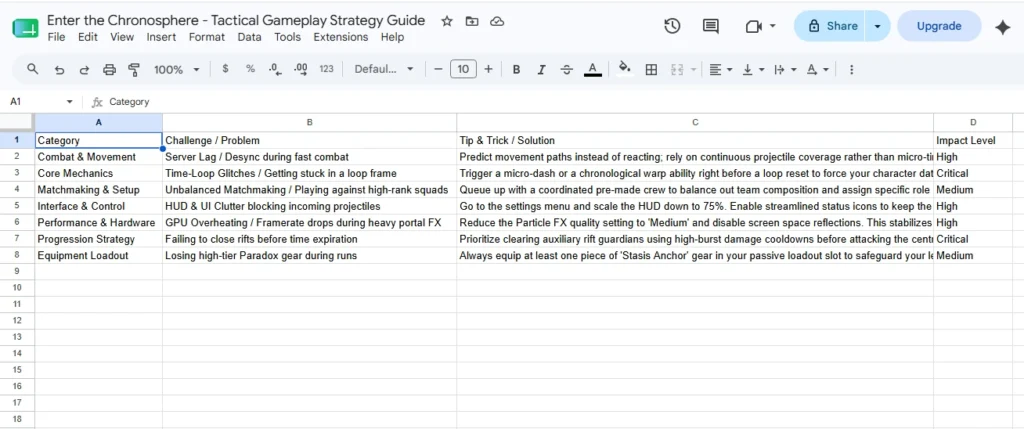
Data from Gemini.
The learning parabola was much harder than I expected. You can expect little overwhelmed as you have to take decisions quickly
Most modern platforms are designed for instant understanding. Enter the Chronosphere was not.
Users said that they genuinely felt confused.
I struggled to understand:
- Which interactions were important
- How the timeline mechanics worked
- Whether certain events were random or intentional
- How environment changes were being triggered
- Which decisions actually mattered
At one point, I considered stopping entirely because the experience felt too abstract.
But then something interesting happened.
Instead of trying to “win” or progress quickly, I slowed down and started observing game flow carefully.
That changed everything.
My solutions to the Initial Confusion

Source — reddit
The biggest mistake I made early was treating the platform like a traditional game or simulation.
I was in a hurry so did not gave time to actually research what the real dynamics of the game was.
Once I approached it more like an interactive narrative environment rather than a competitive system, the experience became far more enjoyable.
Here are the strategies that helped me:
| 1. Slowing down Rushing through environments caused me to miss subtle clues and reactive changes. Once I slowed my pace, I noticed hidden environmental storytelling elements everywhere. |
| 2. Repeating Sections Certain environments evolved differently when revisited. Revisiting earlier areas helped me understand how the adaptive system actually functioned. |
| 3. Testing different choices I intentionally changed my interaction style: — aggressive exploration — passive observation — fast movement — slow movement — ignoring prompts — following prompts Surprisingly, the system genuinely reacted differently in several situations. That was the moment I realized the platform was more sophisticated than I originally expected. |
The Most Impressive Part of the Experience
Without question, the strongest aspect of Enter the Chronosphere is immersion.
Not immersion in the typical “good graphics” sense.
The immersion comes from uncertainty.
You constantly see like the environment is adapting to your behavior.
Some moments genuinely surprised me.
For example, after repeatedly revisiting a specific environment, subtle visual details changed. Audio layers shifted. Certain pathways opened while others disappeared.
At first I thought it was coincidence.
Later I realized the system was tracking interaction patterns.
That level of environmental responsiveness made the experience feel alive.
Visually, Enter the Chronosphere looks stunning in many sections.
Instead of relying purely on realism, the platform focuses heavily on atmosphere and lighting.
Some environments felt futuristic and technologically advanced, while others resembled fragmented memories or dream states.
The transitions between timelines were especially impressive.
Rather than simple loading screens, changes often occurred gradually through environmental distortion, sound shifts, and lighting transformations.
This created a sense of continuity that strengthened immersion significantly.
I want to highlight three major problems:
Frame drops are moments when a game fails to maintain a smooth frame rate, causing gameplay to appear laggy or choppy.
Audio sync issues occur when sound effects, dialogue, or music do not match the on-screen action at the correct time.
Occasional loading delays are short interruptions where game assets or scenes take longer than expected to load, temporarily slowing the gaming experience.
MY UNIQUE INSIGHTS
| I found on web that Unlike fast dopamine-driven entertainment, Enter the Chronosphere rewards patience, curiosity, and observation. Some sessions felt almost meditative. Others felt tense and mysterious. There were moments where you can genuinely lost track of time while exploring evolving environments and trying to understand hidden patterns. Very few digital experiences manage to create that level of engagement today. Another interesting discovery was the community itself. Users online constantly share theories, hidden discoveries, timeline interpretations, and adaptive behavior observations. Some players believe the platform contains deeper narrative layers still undiscovered. Whether those theories are true or not, the community discussion adds another dimension to the experience. It reminds me of early internet mystery phenomena where users collaborated to uncover secrets together. That’s indeed cool. I would recommend it mainly for people who enjoy: — immersive sci-fi experiences — mystery exploration — adaptive storytelling — atmospheric digital environments — AI-driven interaction systems — slow exploratory gameplay It may not appeal strongly to users seeking fast-paced competitive entertainment. |
Final thoughts
Source — youtube
After spending significant time exploring Enter the Chronosphere, I can confidently say the experience surprised me.
I expected hype.
I found experimentation.
I expected marketing tricks.
I found genuine creativity.
It is not perfect.
It has technical flaws.
Some sections need better clarity and optimization.
But despite those issues, it delivers something increasingly rare in modern digital experiences:
Curiosity.
The platform encourages exploration instead of traditional loops. It rewards attention instead of speed. And most importantly, it creates memorable moments that stay in your mind long after the session ends.
That alone makes it stand out in 2026.
Would I recommend it?
Yes — especially for users interested in immersive futuristic experiences and adaptive AI-driven environments.
Just approach it with patience, curiosity, and realistic expectations.
The more time you invest into understanding the chronosphere itself, the more fascinating the experience becomes.
REFERENCES
| OpenAI Official Website Unity Game Engine Unreal Engine Official Site MIT Technology Review Wired Technology Magazine IGN Gaming Reviews PC Gamer GamesRadar |
OTHER READS
A useful pinterest pin:

Linkedin -- www.linkedin.com/in/shishir-bhargava-68a8b4257
- 2026 Lexus IS 350 F Sport: Shocking review - August 22, 2026
- Why Global Markets Can Turn Nervous Overnight | How to prepare for it - July 9, 2026
- Why Countries Are Competing for Rare Earth Minerals | Shocking Details Revealed - July 6, 2026
⚠️ Most People Discover Trends When It's Too Late
Join the Trends Goldmine Insider List and get emerging AI tools, future products, viral keywords, and hidden opportunities before they hit the mainstream.
While everyone else is chasing yesterday's trends, you'll be spotting tomorrow's opportunities first.
🚀 Free Weekly Trend Alerts • No Spam • Unsubscribe Anytime
SIGN UP NOW & RECEIVE A SHORT REPORT ON HOW TO MAKE FORTUNE WITH TRENDS.Trusted by readers who want to discover opportunities before the crowd.